


November is when the year starts to feel finished. The clocks have gone back, the evenings have drawn in, and the diaries are filling with festive plans. The Budget is now behind us too, and our summary of what it means for your estate is below.
Westminster wasn’t the only source of news. Inheritance tax receipts hit a monthly record, a judge ordered a £120m divorce payout from a family trust, and two court cases showed how quickly estates unravel when families disagree.
This month: why unmarried couples are more exposed than they realise, the age most of us expect to inherit, the quiet rise of life cover in trust, and four famous names who left their families without a proper plan.
November In Numbers
- £936 million: inheritance tax collected in September 2026, a monthly record
- 76%: cohabiting adults with no will, or one that is out of date
- 52: the average age people expect to receive their largest inheritance
- £325,000: the inheritance tax nil‑rate band, unchanged again in the Budget
- £526: the probate application fee since July, up from £300
Reader Question
Each month we answer one question sent in by a reader. If there’s something you’d like us to cover, email info@clarkewright.co.uk and it could feature next month.
“My partner and I have been together twelve years and have two children. We’re not married, but the house is in both our names. I read that the government might give unmarried couples inheritance rights. Do we still need wills?”
Megan, Oswestry
Our Answer
Thank you, Megan. It’s a question we hear often, and the answer is yes, you do.
There’s no such thing as common law marriage in England and Wales, however long you’ve been together. If either of you died without a will, the intestacy rules would pass your estate to your children, and your partner would have no automatic right to any of it. That belief is surprisingly common: a Will Aid poll this autumn found that 35% of cohabiting adults expect their partner to inherit anyway, up from 25% a year ago.
The government did consult this summer on giving cohabitants rights when a partner dies without a will. But nothing has changed yet, no timetable has been set, and any new scheme is likely to come with conditions. It isn’t something to plan around.
There are three things worth checking now:
- The house. If you own it as joint tenants, it passes automatically to the survivor. If you’re tenants in common, each share follows the will, or the intestacy rules if there’s no will. Your title deeds will show which applies.
- Inheritance tax. The spouse exemption doesn’t apply to unmarried partners, so anything you leave each other above the nil‑rate band could be taxed.
- Guardians. A will is where you name who would look after your children.
Two straightforward wills remove all of this uncertainty. We’d be glad to talk it through.
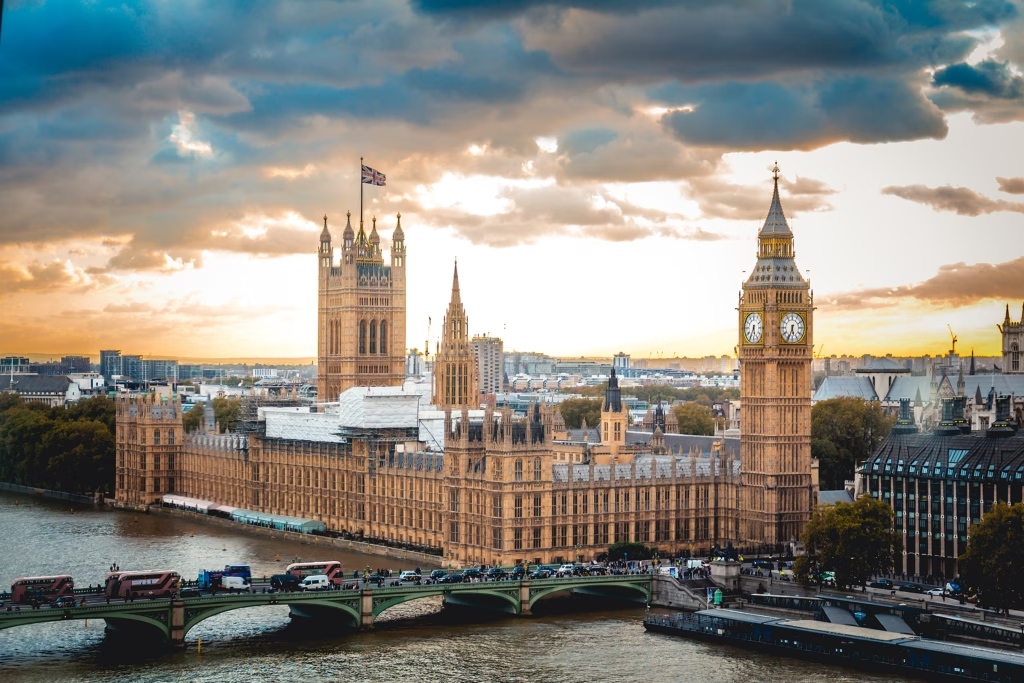
The Budget: What It Means for Your Estate
The Chancellor delivered the Autumn Budget on 28 October. For estate planning, the biggest news is what didn’t change. Here’s what matters for you and your family.
Inheritance tax thresholds stay put. The nil‑rate band remains £325,000, and the residence nil‑rate band remains £175,000 when you leave a home to children or grandchildren. Both are still frozen until 2031. As September’s record receipts show, rising property values will keep pulling more ordinary estates over the line.
Pensions are coming into the estate. The change announced last year is now law. From 6 April 2027, most unused pension funds will count towards your estate for inheritance tax. For many families, the pension was the one large asset that sat outside it. If you haven’t reviewed your pension nominations or will in a while, now is the time to make sure they still work together.
Savings interest will be taxed more, but ISAs are safe. From April 2027, interest above your Personal Savings Allowance will be taxed at 24%, 44% or 49%, up from 20%, 40% and 45%. The plan to cut the cash ISA limit has been dropped, so you can still save £20,000 a year tax‑free.
Landlords face higher tax on rent. Rental profit will also be taxed at 24%, 44% or 49% from April 2027. Some landlords may now think about passing property to their children. Take care if you do. A gift of property can trigger capital gains tax, and the seven‑year rule still applies. If you carry on taking the rent, the gift may not count for inheritance tax at all. Talk to us before you act.
Selling the family business? The lifetime limit for Business Asset Disposal Relief will halve from £1 million to £500,000 for sales on or after 6 April 2027. If a sale is on the horizon, timing now matters.
Help for pensioners on lower incomes. From April 2027, anyone over State Pension age with a total income of no more than £13,037 will pay no income tax. The triple lock continues until April 2029.
What else stays the same: income tax, National Insurance and VAT rates, and capital gains tax rates of 18% and 24%.
Our view: there’s no need to rush, but plan around 6 April 2027. Between now and then, check your pension nominations, look at whether your will still reflects your wishes, and re‑run the inheritance tax figures if your plan is more than a few years old. We’d be glad to help.
This summary is based on the Budget announcements of 28 October 2026. Some details may change as the legislation passes through Parliament.
For a full summary of the Budget, including changes for landlords, savers, business owners and employers, read the November newsletter from our associated accountancy firm, Mercian.
September Set a New Inheritance Tax Record
HMRC collected £936 million in inheritance tax in September, the highest monthly total on record. That beat June’s record of £871 million, and it compares with £671 million in September last year. Between April and September, receipts reached £4.72 billion, up 7%.
None of this comes from a change in the rules. The nil‑rate band has been £325,000 since 2009, and the Budget left it there. Property values have kept climbing, though, with average prices of £380,000 in the South East and £554,000 in London. Many ordinary family homes now take an estate past the threshold on their own, and from April 2027 pensions will add to the total.
If your estate plan was drawn up five years ago, it may rest on figures that no longer hold. Let us re‑run the numbers with you.

Half of Workers Are Counting on an Inheritance
New research among 2,000 working adults in England and Wales found that 49% see an inheritance as important to their long‑term financial security. Among those earning over £100,000, it’s 72%. More than half were confident they would receive one.
Their understanding of how inheritance works was much shakier:
- 90% believed marriage doesn’t cancel an existing will. In England and Wales, it does, unless the will was written with that marriage in mind.
- 27% thought the closest relatives automatically inherit everything without a will.
- 16% thought children are guaranteed a share of a parent’s estate. They aren’t.
- A third had no valid will of their own.
The next generation’s plans often depend on the last generation’s paperwork. It’s a conversation worth having, on both sides of the family.
The Inheritance That Arrives at 52
Recent research among 2,000 UK adults found that people expect to receive their largest inheritance at 52 on average. Fewer than half think it will arrive when it would help them most. Timing makes a real difference: 61% of people who received a gift during the giver’s lifetime called it highly impactful, compared with 33% of those who inherited on death. Lifetime gifts were far more likely to go on a first home or education.
Even so, 55% of people still prefer to pass their wealth on at death. The main reason is uncertainty about their own future, whether that’s day‑to‑day living costs, a longer retirement or the possibility of care.
Both instincts are reasonable. The right approach starts with working out what you’ll need yourself, then deciding what you can comfortably give and how best to structure it. We can help you weigh it up.
Why More Life Policies Are Being Written in Trust
Analysis by Stonebridge shows that at one of its main providers, the share of life policies written in trust has risen from 5.3% in 2021 to 14.3% today, close to three times as many.
It matters more than most people realise. A policy that isn’t in trust pays out into the estate. The money then waits for probate, just when the family may need it most, and it may add to the inheritance tax bill. A policy written in trust normally pays the trustees within weeks and sits outside the estate altogether.
If you took out life cover years ago and never thought about a trust, ask your provider. Many will let you put an existing policy into trust now.
The £120m Divorce That Went Through a Family Trust
In TP v TF, the High Court ordered a husband to pay his wife around £120.4 million after a 23‑year marriage. More than 95% of it came from his interest in a long‑standing family trust.
The husband argued that the trust was designed to pay income while preserving capital for future generations. The judge disagreed. He found the trustees would probably release the full value to the husband if he asked, so it counted as his resource. He also found the interest had become matrimonial, because it rewarded the husband’s work in the family business during the marriage, which his wife’s role had supported.
For families using trusts to protect wealth across generations, the message is clear: a trust isn’t automatically a wall. Pre‑ and post‑nuptial agreements, and genuinely independent trustees, matter more than ever. We can review your arrangements with you.

In the Courts: Two Estates, Two Families Divided
A late change of will. Gowerdhan Dass’s 2015 will split his estate equally among his four children’s families. A new will, made three months before he died in 2024, left his £400,000 estate to his youngest son. His elder son is challenging it, alleging undue influence, which his brother denies. The solicitor who drafted the new will recorded his reason for the change, and that note may prove decisive. Undue influence is hard to prove, and a well‑documented will is the best defence against it.
A stalled estate. Mountaineer Paul Samuel died in an avalanche in Peru in 2018, leaving around £10 million to be shared by his widow and his daughter. Eight years on, the estate still hasn’t been distributed, and his daughter is asking the High Court to remove her stepmother as executor. The court has that power, but it’s reluctant to overrule the person who made the will.
The two cases come back to the same lessons: write down your reasons, and think carefully about who will have to work together after you’ve gone. We can help with both.
Probate: Pricier Since July, Slower When the Paperwork Is Wrong
The probate application fee for estates over £5,000 rose from £300 to £526 in July. There’s one saving: copies of the grant ordered with the application now cost £2 each, against £16 later. Banks, pension providers and the Land Registry often each want one, so it pays to order them at the start.
Official figures show the average grant taking around five weeks, but that average hides a big gap. Applications that went through cleanly took about two weeks. Those stopped for missing or inconsistent information took 14. Getting it right first time is the biggest factor in how quickly a family can move forward.

Four Famous Estates Left Without a Proper Plan
A clear plan is the best gift you can leave. These four famous names left their families without one.
- Prince died suddenly in 2016 with no will and an estate later valued at $156 million. His siblings split into rival camps, and it took six years and a court‑approved settlement to close the estate.
- Aretha Franklin was thought to have died without a will, until her niece found several handwritten ones around her home, including one under a sofa cushion. Her sons argued over them for five years before a jury upheld the sofa version, which was signed with a smiley face.
- Bob Marley refused to make a will while he was ill. Family members, bandmates and his record company made competing claims, and the litigation ran for years across Jamaica, the UK and the US.
- Abraham Lincoln was a lawyer by trade and still died without a will. A friend, Judge David Davis, took on the estate, and it took more than two years to settle.
All four fell under American law, not the rules in England and Wales, but the lesson travels. Without clear instructions, the decisions pass to the law, the courts, and whoever is prepared to argue longest.
A postscript on Dolly Parton. Last month we praised the planning behind Dolly Parton’s estate. Since then, the company that runs it has taken legal action against her nephew and former head of security over alleged threats and payment demands. The dispute is about conduct, not about who inherits, and her trust remains in place. Even a well‑planned estate can’t prevent every falling‑out, but it does keep the question of who gets what out of court.
Your November Checklist
With the Budget announced and the year drawing to a close, this is a good moment to take stock calmly.
- Pensions: check who you’ve nominated to receive your pension before unused funds join your estate in April 2027.
- Living together but not married? Make wills, and check how you own your home. We can help with both.
- Married since your will was written? It may no longer be valid.
- Life policies: check whether they’re written in trust.
- Executors: make sure the people you’ve named can work together.
- Inheritance tax: if your plan is more than a few years old, re‑run the figures.
- Applying for probate? Order copies of the grant with your application.
If anything here has raised a question, we’d be glad to hear from you. And if you’d like your question answered in December’s newsletter, send it our way.